Tugas Ilmu Budaya Dasar 5
Urban Infrastructure Projects: Jakarta, Indonesia
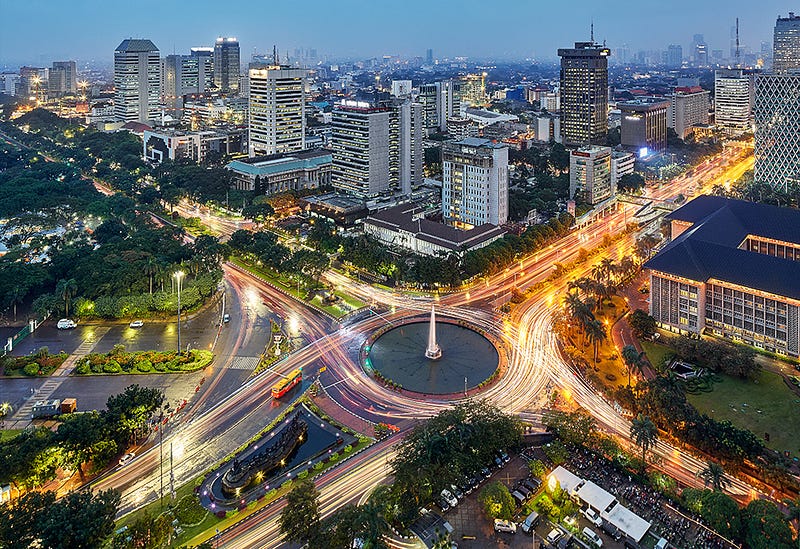
In 2017, only 55.5% of Jakarta city residents had
access to clean water. Only 26% of the population has access to clean, piped
water, only 4% of Jakarta’s population has access to the sewerage system and,
470,000 households (14% of the city) still practice open defecation. The
limited coverage of piped water means that 74% of households rely on ground
water or river water which is frequently polluted. To improve the sewerage
service, Jakarta has prepared a waste water master plan which, if fully
implemented, will only ensure that 65% of Jakarta’s residents will be covered
by the piped sewerage system by 2022.
Technologies have now evolved to a point where
small odorless wastewater and recycled water treatment plants, based on
biological processes, can be integrated into the dense urban fabric of cities.
This kind of technological innovation has the potential to deliver
multiple-benefits at the community scale (improved sanitation and access to
clean water) and have wider benefits for Jakarta city as a whole (reduced
health costs, improved sanitation infrastructure, reduced GHGs).
Jakarta City Government is investigating the
management and operation of decentralized settlement scale wastewater treatment
plants on government owned public space across Jakarta. This approach is an
opportunity to meet the needs of the 8.5 million people who will still be
without access to the sewerage system in 2020.
For investment or partnership opportunity , an
initial scoping study has identified potential pilot sites across Jakarta and
reviewing opportunities, constraints and relevant technologies for each
location.
Jakarta DKI expects to pilot one or two pilot
sites in 2018. Following proposed pilots in 2018, there will be an opportunity
to review, improve and scale up this approach across the city.
Source : https://medium.com/the-asia-pacific-resilience-prospectus/urban-infrastructure-projects-jakarta-indonesia-dbb829808dd


Komentar
Posting Komentar